


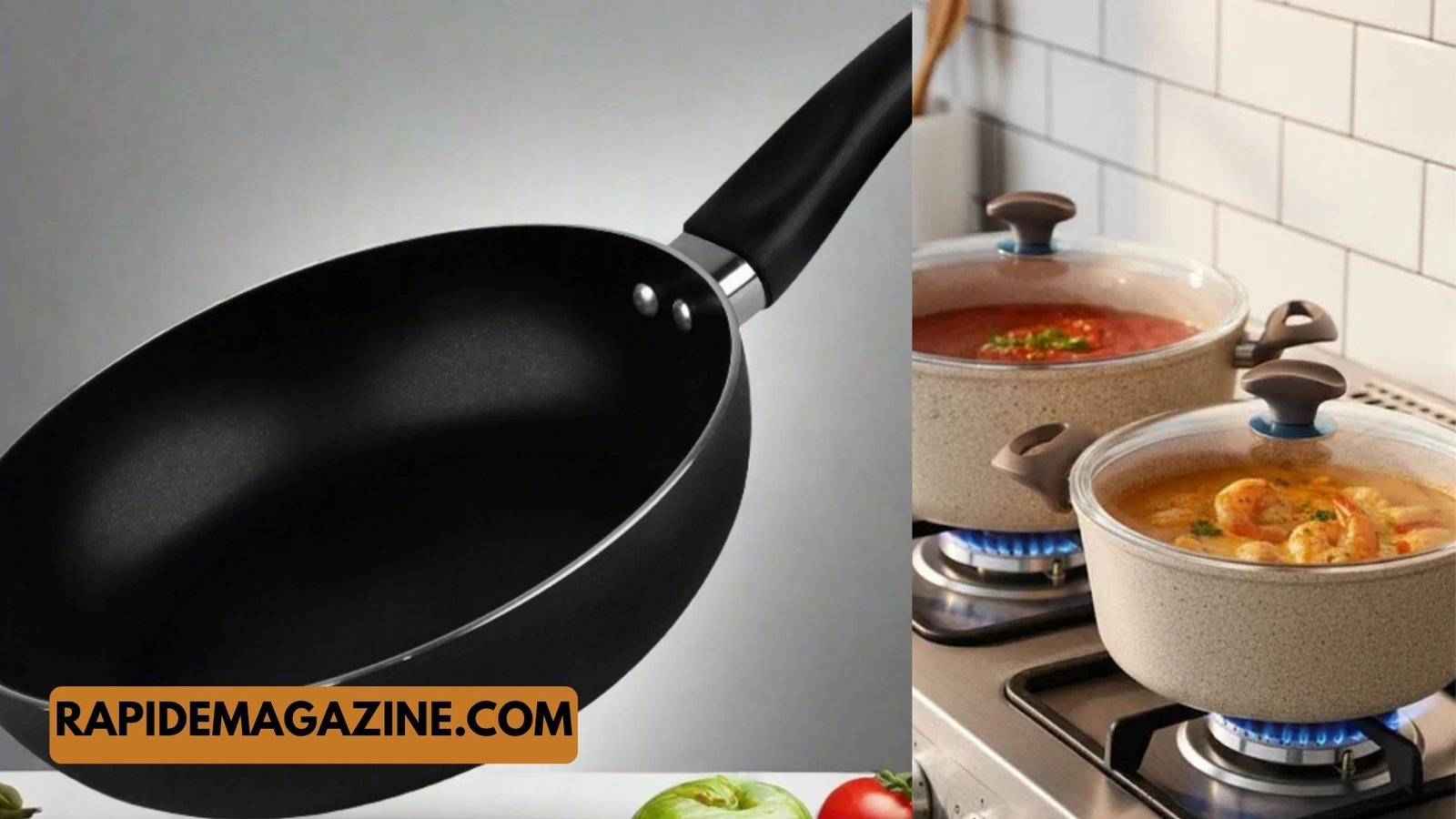
Falotani is a warm, comforting dish that has been cooked in family kitchens for generations. It is not a complicated dish at all. In fact, most people who try cooking falotani for the first time are surprised by how simple and satisfying it is. The dish brings together basic ingredients — protein, grains, vegetables, and spices — and turns them into something that feels deeply nourishing. It is the kind of food that slows you down in a good way, because it asks for patience and a little bit of care.
- The Origins and Cultural History Behind Cooking Falotani
- Why Cooking Falotani Is Growing in Popularity Today
- What Does Falotani Taste Like?
- Ingredients You Need for Cooking Falotani the Right Way
- The Core Ingredients That Make Falotani Authentic
- Easy Substitutions for Hard-to-Find Falotani Ingredients
- Choosing Fresh, Quality Ingredients for the Best Results
- How to Prepare Before You Start Cooking Falotani
- Step-by-Step Guide to Cooking Falotani at Home
- Build Your Aromatic Base the Right Way
- Bloom Your Spices for Deeper Flavor
- Add Your Protein and Get a Good Sear
- Add Vegetables, Liquid, and Simmer Slow
- Finish With Fresh Herbs and Final Seasoning
- Common Mistakes to Avoid When Cooking Falotani
- Falotani Recipe Variations and Modern Twists
- Serving, Storing, and Reheating Falotani
- 5 FAQs About Cooking Falotani
What makes falotani special is not one single ingredient. It is the way everything works together. The flavors build on each other slowly, which is why the dish always tastes better than it looks during cooking. Many people describe it as food that reminds them of home — not because they grew up eating it, but because it carries that same sense of warmth and familiarity. Once you understand the basics of cooking falotani, you will find yourself coming back to it again and again.
The Origins and Cultural History Behind Cooking Falotani
Falotani has roots in coastal cooking traditions where fresh, local ingredients were used to make filling and flavorful meals. Over time, families passed down their own versions of the dish, which is why there is no single fixed recipe. Each household adds something personal to it. Some use more spice, others keep it mild. Some prefer fish, others use chicken or legumes. This flexibility is actually one of the reasons falotani has survived so long — it adapts easily to whatever is available.
The dish also carries cultural meaning. Cooking falotani was not just about feeding people. It was a way of gathering, sharing, and connecting. Families would cook it during slow weekend mornings or community celebrations. That tradition of slow, intentional cooking is still very much alive today, and it is part of what draws modern home cooks to the dish.
Why Cooking Falotani Is Growing in Popularity Today
More people today are looking for food that feels real and meaningful. With so many processed and fast-food options available, home cooks are turning back to traditional dishes like falotani that focus on simple ingredients and honest flavors. Cooking falotani fits perfectly into this shift because it does not require fancy equipment or exotic ingredients. You can make it with things already sitting in your kitchen.
Social media and food blogs have also played a big role in spreading awareness of falotani. As more people share their cooking experiences online, the dish has gained a wider audience. Beginners feel encouraged because the recipes are forgiving, and experienced cooks enjoy experimenting with different versions. Either way, cooking falotani has become a growing trend for people who want something satisfying, affordable, and made from scratch.
What Does Falotani Taste Like?
The flavor of falotani is layered and deep. It starts with something earthy and savory from the base — the onions, garlic, and spices that are cooked slowly at the beginning. Then comes a mild richness from the protein or legumes, followed by a gentle brightness from herbs or a squeeze of citrus at the end. It is not spicy in an overwhelming way, but it does have warmth and depth that lingers after each bite.
People often say that falotani tastes better the second day, after the flavors have had more time to settle together. The sauce or broth thickens naturally, and everything becomes even more cohesive. If you enjoy food that is comforting, balanced, and full of flavor without being too heavy, falotani will likely become one of your favorite dishes to cook at home.
Ingredients You Need for Cooking Falotani the Right Way
When it comes to cooking falotani, the ingredients are straightforward. You do not need anything unusual or hard to find. The beauty of this dish is that it is built on everyday pantry staples that most home cooks already have. The key is not the rarity of the ingredients but how you use them together. Quality matters more than quantity here, so always try to use the freshest vegetables and the best spice blends you can find at your local market.
The ingredient list for falotani can be divided into three simple groups — your protein, your base vegetables, and your spices. Each group plays a specific role in the dish. The protein gives it body and heartiness. The vegetables add sweetness, texture, and color. The spices are what give falotani its signature warmth and depth. Once you understand these three pillars, you can easily adjust the recipe to suit your own taste or dietary needs.
The Core Ingredients That Make Falotani Authentic
Here are the main ingredients used in a traditional falotani recipe:
- Protein — Chicken, lamb, beef, fish, chickpeas, or paneer all work well
- Grains — Basmati rice or wheat-based grains form the base
- Aromatics — Onion, garlic, and ginger are non-negotiable
- Vegetables — Carrots, bell peppers, and tomatoes add body and color
- Spices — Cumin, coriander, turmeric, and black pepper are the core
- Liquid — Stock, broth, or water to create the sauce
- Fat — Ghee or a neutral oil for cooking
- Fresh herbs — Cilantro or parsley for finishing
Each of these ingredients has a job to do. For example, turmeric gives the dish its golden color and mild earthy taste. Cumin adds a smoky, warm note. Coriander brings a light citrusy undertone. Together they create what falotani cooks call a flavor triangle — layers that complement each other without competing.
Easy Substitutions for Hard-to-Find Falotani Ingredients
One of the best things about cooking falotani is that it welcomes substitutions. If you cannot find a specific ingredient, there is almost always something else that works just as well.
| Original Ingredient | Easy Substitute |
|---|---|
| Ghee | Butter or coconut oil |
| Basmati rice | Jasmine rice or long-grain white rice |
| Lamb | Chicken thighs or beef chuck |
| Fresh cilantro | Flat-leaf parsley or fresh mint |
| Bone broth | Vegetable stock or plain water |
| Palm sugar | Brown sugar or honey |
| Fish sauce | Soy sauce or a pinch of salt |
The rule of thumb is to match the function of the ingredient, not the exact flavor. If something adds richness, replace it with another rich ingredient. If something adds brightness, swap it for another acidic or fresh element.
Choosing Fresh, Quality Ingredients for the Best Results
Fresh ingredients make a noticeable difference in falotani. When your onions are firm, your garlic is pungent, and your spices are not expired, the dish comes alive in a way that dried-out or old ingredients simply cannot achieve. Always check the freshness of your spices before you start. Spices lose their potency over time, and stale cumin or coriander will make your falotani taste flat no matter how carefully you cook it.
For the protein, marinating it beforehand — even for just one hour — dramatically improves the final result. Yogurt-based marinades are popular because yogurt tenderizes the meat while the spices penetrate deep into the fibers. If you are using fish or legumes, a shorter marinating time of 30 minutes is enough. The goal is always to build flavor from the inside out, not just on the surface.
How to Prepare Before You Start Cooking Falotani
Preparation is half the battle when it comes to cooking falotani well. Many home cooks rush into the cooking process without setting things up properly, and that is where things go wrong. A little bit of organization before you turn on the heat will make the entire cooking experience smoother, faster, and far less stressful. Think of it like setting the stage before a performance — everything in its place before the show begins.
The most important prep habit to develop is what professional cooks call mise en place, which simply means having everything measured, chopped, and ready before you start cooking. In falotani, the cooking process moves quickly once you begin, so you do not want to be chopping carrots while your garlic is burning in the pan. Take 20 to 30 minutes before you cook to get everything ready. You will notice the difference immediately.
How to Marinate Your Protein for Maximum Flavor
Marinating is one of the most underrated steps in cooking falotani. It is the difference between protein that tastes seasoned all the way through and protein that only has flavor on the outside. A simple marinade of yogurt, cumin, coriander, turmeric, a little salt, and a squeeze of lemon is all you need. Coat your protein thoroughly, cover it, and refrigerate it for at least one hour. Overnight marinating gives even better results.
The yogurt in the marinade does two things at once. First, it tenderizes the meat by gently breaking down the proteins. Second, it acts as a carrier for the spices, helping them stick to the surface and penetrate deeper during cooking. If you are cooking a vegetarian version with chickpeas or paneer, the same marinade works beautifully. Just reduce the marinating time to 30 minutes so the texture does not become too soft.
| Tool | Why It Matters |
|---|---|
| Heavy-bottomed pot or Dutch oven | Distributes heat evenly, prevents burning |
| Sharp chef’s knife | Clean cuts mean even cooking |
| Wooden spoon | Gentle stirring without scratching the pan |
| Measuring spoons | Accurate spice ratios for consistent flavor |
| Lid for your pot | Traps steam and moisture during simmering |
A thin pan with hot spots will burn your garlic before your onions even soften. That one small problem can ruin the entire base of the dish. Investing in a good heavy-bottomed pot is the single best thing you can do to improve your falotani results consistently.
Step-by-Step Guide to Cooking Falotani at Home
Now comes the most important part — the actual cooking. Cooking falotani follows a clear sequence of steps, and each step exists for a reason. Skipping steps or changing the order will affect the final result. The process is not difficult, but it does reward patience. Every minute you give to each stage — the slow onions, the bloomed spices, the gentle simmer — shows up in the final flavor of the dish.
Think of cooking falotani like building a house. You have to lay the foundation first before you add the walls and the roof. In cooking terms, that foundation is your aromatic base. Everything else — the protein, the vegetables, the liquid — is built on top of that base. Get the foundation right and the rest falls into place naturally.
Build Your Aromatic Base the Right Way
Start with a cold pan. Add your oil or ghee and then your sliced onions before turning the heat on. This might feel counterintuitive, but starting cold allows the onions to release their moisture slowly and caramelize evenly without burning. Turn the heat to medium-low and let the onions cook for 12 to 15 minutes, stirring occasionally. You are looking for a deep golden color and a sweet, almost caramel-like smell.
Once your onions are ready, add your minced garlic and grated ginger. These only need about 30 to 60 seconds. You will smell them immediately — that is your cue. Do not walk away at this stage because garlic burns fast and bitter garlic ruins everything that comes after it.
Bloom Your Spices for Deeper Flavor
After your aromatics are soft and fragrant, add your dry spices directly to the oil. This technique is called blooming, and it is one of the most important steps in cooking falotani. When spices hit hot oil, they release their essential oils — the compounds responsible for color, aroma, and flavor. This takes only 30 to 60 seconds but makes a dramatic difference in how the finished dish tastes.
Stir the spices constantly during this step. They should sizzle gently and smell intensely fragrant. If they start to smoke or smell burnt, your heat is too high. Lower it immediately and add a splash of water to bring the temperature down. The spices should coat the onion mixture evenly, turning everything a warm golden or reddish color depending on which spices you are using.
Add Your Protein and Get a Good Sear
Push your onion and spice mixture to the sides of the pan. Increase the heat to medium-high and add your marinated protein to the center of the pan in a single layer. Let it sit undisturbed for two to three minutes. You want a golden-brown crust to form on the surface before you flip or stir. This crust, called the Maillard reaction, creates a depth of flavor that slow simmering alone cannot replicate.
Once the protein has color on one side, stir everything together and mix it with the spiced onion base. Cook for another three to five minutes until the protein is mostly cooked through on the outside. It does not need to be fully cooked at this stage because it will continue cooking in the liquid during the simmering phase.
Add Vegetables, Liquid, and Simmer Slow
Add your harder vegetables first — carrots, potatoes, or dense squash — and stir them into the protein and spice mixture. Let them cook for about three minutes before adding your liquid. Pour in your stock or broth slowly, scraping the bottom of the pan as you go to lift any caramelized bits stuck to the surface. Those bits are pure flavor and should not be left behind.
Bring everything to a gentle boil, then immediately reduce the heat to the lowest setting. Cover the pot and let the falotani simmer for 40 to 50 minutes. Check it halfway through. The sauce should slowly thicken and the vegetables should become tender. If the sauce is too thin, leave the lid slightly ajar. If it is getting too thick, add a small splash of liquid.
Finish With Fresh Herbs and Final Seasoning
This last step is where cooking falotani goes from good to great. Just before serving, taste the dish and adjust the seasoning. Add salt if needed, a pinch of black pepper, or a squeeze of fresh lemon juice to brighten everything up. Lemon is especially powerful here — it cuts through the richness of the sauce and makes all the other flavors pop.
Add your fresh herbs right at the end. Cilantro, parsley, or fresh mint stirred in just before serving keeps them bright, green, and fragrant. Herbs added too early will turn dull and lose their fresh flavor. This final touch is what gives cooking falotani that restaurant-quality finish even in a simple home kitchen.
Common Mistakes to Avoid When Cooking Falotani
Even experienced cooks make mistakes with falotani, especially the first time. The good news is that most mistakes are easy to fix once you know what to watch out for. Cooking falotani is a forgiving process overall, but a few missteps can significantly affect the final result. Understanding these common errors will help you avoid them and cook with much more confidence from the very beginning.
The biggest mistake most people make is rushing. Falotani is a dish that rewards slowness. Whether it is the onions that need time to caramelize, the protein that needs time to sear, or the sauce that needs time to reduce — every step benefits from patience. When you rush, you end up with onions that are raw in the middle, protein that is tough, and a sauce that is watery and flat. Slow down and trust the process.
Cooking on Too High a Heat
High heat is the enemy of falotani. It causes onions to burn instead of caramelize, garlic to turn bitter instead of fragrant, and spices to scorch instead of bloom. Many beginners crank up the heat because they are impatient or think it will speed things up. In reality, it just creates problems that are very hard to correct later. A bitter or burnt base will affect every single layer of flavor that goes on top of it.
Always keep your heat at medium or medium-low during the base-building stages. Only increase it briefly when searing protein. Once the liquid goes in, go back down to the lowest setting. This discipline with heat control is what separates a good falotani from a great one.
Adding Ingredients in the Wrong Order
The order in which you add ingredients to the pan is not random — it is intentional. Onions go before garlic because they take longer to soften. Spices go before liquid because they need to bloom in fat, not water. Delicate vegetables like spinach or fresh herbs go last because they only need seconds to cook. When this order is disrupted, the cooking times overlap incorrectly and you end up with some ingredients overcooked while others are still raw.
Write down the order before you start if you need to. Stick it on the fridge or keep it nearby while you cook. After you have made falotani two or three times, the sequence will become natural and you will not even have to think about it anymore.
Falotani Recipe Variations and Modern Twists
One of the most exciting things about cooking falotani is how easily it adapts to different tastes, dietary needs, and cultural influences. The base technique stays the same, but the ingredients and flavors can shift dramatically depending on what you want. This makes falotani one of the most versatile dishes you can add to your regular cooking rotation. Whether you want something rich and meaty or light and plant-based, falotani can deliver.
Modern cooks have taken the traditional falotani framework and run with it in all kinds of creative directions. Some have added coconut milk for a creamy, tropical twist. Others have incorporated smoked spices for a bold, intense version. Some have even fused falotani techniques with ingredients from completely different culinary traditions — soy sauce, miso, or fresh chili pastes — creating something entirely new while keeping the soul of the dish intact.
Vegetarian and Vegan Cooking Falotani Options
Making a vegetarian or vegan version of falotani is incredibly easy because the dish does not rely on meat for its depth of flavor. The spices, slow-cooked aromatics, and quality broth do most of the heavy lifting. Swap your protein for chickpeas, lentils, firm tofu, or paneer. All of these absorb the marinade and spices beautifully and give the dish plenty of body and heartiness.
For a fully vegan falotani, use coconut oil instead of ghee and vegetable broth instead of bone broth. Add a tablespoon of tomato paste to deepen the color and richness. Nutritional yeast stirred in at the end adds a subtle savory depth that mimics the umami quality usually provided by meat. The result is a dish that is just as satisfying and flavorful as the original — and completely plant-based.
Healthy Falotani — Lighter Swaps Without Losing Flavor
If you want to make a lighter version of falotani without sacrificing flavor, there are a few easy swaps to consider. Use olive oil instead of ghee to reduce saturated fat. Choose lean chicken breast or white fish instead of lamb or beef. Load up on extra vegetables like zucchini, spinach, or sweet potato to increase the fiber and nutrient content without adding many calories.
You can also swap white basmati rice for brown rice, quinoa, or cauliflower rice to reduce the carbohydrate load. These substitutions do not fundamentally change the dish. The flavor foundations — the aromatics, the spices, the slow simmer — remain exactly the same. You just end up with a version that fits better into a health-conscious lifestyle while still feeling indulgent and satisfying to eat.
Serving, Storing, and Reheating Falotani
Knowing how to serve and store falotani properly is just as important as knowing how to cook it. A beautifully cooked dish deserves to be presented well and kept fresh for as long as possible. Falotani is actually one of those rare dishes that tastes even better the next day, once the flavors have had overnight to deepen and settle into each other. So making a large batch is always a good idea.
When it comes to presentation, falotani does not need much fuss. A simple bowl of fluffy rice, a sprinkle of fresh herbs, and a wedge of lemon on the side is all it needs. The dish speaks for itself. If you want to make it look more impressive for guests, garnish with caramelized onions set aside from the cooking process, a drizzle of herb oil, or a spoonful of yogurt on top. These small touches make a big visual difference.
How to Store and Reheat Falotani Without Losing Quality
Falotani stores very well in the refrigerator for up to four days in an airtight container. Make sure it has cooled completely before sealing and storing, as putting hot food directly into the fridge can raise the internal temperature and affect other foods nearby. For longer storage, falotani freezes beautifully for up to three months. Freeze it in individual portions so you can reheat only what you need.
To reheat, place the falotani in a pot over low heat and add a small splash of water or broth to loosen the sauce, which will have thickened during storage. Stir gently and heat until warmed all the way through. Avoid microwaving on high heat as this can make the protein rubbery and dry out the vegetables. Low and slow reheating preserves the texture and flavor far better and makes it taste almost as good as the day it was made.
5 FAQs About Cooking Falotani
Is cooking falotani difficult for beginners?
Not at all. Cooking falotani is one of the most beginner-friendly dishes you can try. The steps are simple and the dish is forgiving. Even if you add slightly too much spice or cook it a minute too long, the overall flavor still holds up well. Most beginners are surprised by how good their first attempt turns out.
Can I make falotani without meat?
Yes, absolutely. Falotani works beautifully with chickpeas, lentils, tofu, or paneer. The spice base and slow-cooking method create so much flavor on their own that you will not miss the meat. Use vegetable broth instead of bone broth and the dish remains just as rich and satisfying.
How long does cooking falotani take?
In total, expect around 1.5 to 2 hours including prep and marinating time. Active cooking time is roughly 60 minutes. If you marinate overnight, the morning prep becomes much faster. It is a slow dish by design, and that slowness is exactly what makes it taste so good.
Can I store leftover falotani?
Yes. Store it in an airtight container in the fridge for up to four days or freeze it for up to three months. Falotani actually tastes better the next day as the flavors deepen overnight. Reheat gently on the stovetop with a small splash of liquid to bring it back to life.
Is falotani a healthy dish?
Generally, yes. It contains protein, fiber-rich vegetables, and anti-inflammatory spices like turmeric and cumin. You can make it even healthier by using lean protein, olive oil instead of ghee, and adding extra vegetables. It is a balanced, wholesome meal that fits well into most diets.
Conclusion
Cooking falotani is not complicated. It is simply a matter of understanding a few key principles — build your base slowly, bloom your spices properly, give your protein time to sear, and let everything simmer together at low heat. Once you have made it once, you will realize how straightforward the process really is. The dish rewards patience more than skill, which makes it perfect for anyone at any cooking level.
Whether you follow the traditional recipe or put your own spin on it with different proteins, vegetables, or fusion flavors, falotani has a way of always turning out satisfying. It is honest food made with care. Start with the basics, get comfortable with the technique, and then make it your own. That is exactly how this dish has been passed down through generations — one kitchen at a time.
Read more :Tom Shillue: The Comedian Who Made Fox News Funny
