


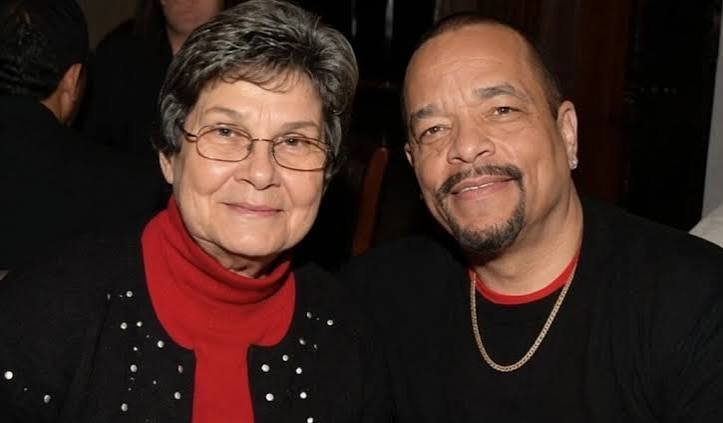
Solomon Marrow lived far from celebrity culture. He never released a record. e never appeared on television. He never built a public entertainment career.
Yet his name remains connected to one of hip-hop’s most recognizable figures.
Solomon Marrow was the father of Tracy Lauren Marrow, better known as Ice-T. Available biographical records identify Solomon as a conveyor-belt mechanic who worked for Rapistan Conveyor Company. His family lived in New Jersey before tragedy changed his son’s childhood.
The Solomon Marrow biography is therefore unusual. It is not a conventional celebrity story. It is the story of a private working father whose life became part of music history through his son.
Ice-T later became a major rapper, actor, and television personality. His 2011 memoir, written with Douglas Century, provides important context about his childhood and the loss of both parents.
Solomon Marrow at a Glance
| Detail | Information |
|---|---|
| Full Name | Solomon Marrow / Solomon Edward Marrow Jr. |
| Reported Birth | February 19, 1910* |
| Birthplace | New Jersey, United States* |
| Nationality | American |
| Profession | Conveyor-belt mechanic |
| Wife | Alice Marrow |
| Son | Tracy Lauren Marrow, known as Ice-T |
| Known Employer | Rapistan Conveyor Company |
| Reported Death | May 1971* |
| Known For | Father of Ice-T |
*Exact birth and death details appear in genealogical records but lack strong independent primary-source documentation. Wikidata lists the name and dates without supporting references.
A Working Man Before the Spotlight
Much of Solomon Marrow’s life remains undocumented.
That gap matters.
Online profiles sometimes provide exact dates, family details, and personal claims. Many repeat the same information without showing original evidence. A responsible biography must separate established facts from genealogy-based details.
The strongest public record identifies Solomon as Ice-T’s father. It also connects him with industrial mechanical work.
Ice-T was born in Newark, New Jersey, on February 16, 1958. His parents were Solomon and Alice Marrow. The family later moved to Summit, New Jersey.
That setting became an important part of Ice-T’s childhood story.
His father worked while the family maintained a relatively ordinary household. There was no entertainment empire behind Tracy Marrow. His future fame was still unimaginable.
Solomon’s occupation also tells us something about his generation.
He worked with conveyor systems at Rapistan Conveyor Company. It was industrial work. It demanded practical skills and regular employment. Public records do not show him pursuing celebrity or public recognition.
That contrast became striking decades later.
His son would eventually become known worldwide as Ice-T.

The Family Story That Shaped Ice-T
Solomon’s importance becomes clearer through his son’s childhood.
Ice-T spent his early years in New Jersey. His family moved from Newark to Summit, where he attended school and experienced suburban life. Hi childhood was very different from the South Central Los Angeles environment associated with his later career.
His mother, Alice, also played a major part in those early years.
According to biographical accounts of Ice-T, Alice died from a heart attack while he was in third grade. Solomon then raised his young son as a single father for several years.
That loss transformed the family.
Solomon was suddenly responsible for raising Tracy without his wife. Accounts describe assistance from a housekeeper during this period. The family situation remained difficult until Solomon himself died several years later.
Ice-T eventually lost both parents during childhood.
That fact sits at the center of his personal story.
Publishers Weekly’s review of Ice-T’s memoir notes that he had lost both parents by the age of 12. Afterward, he was sent to relatives in Los Angeles.
The move changed everything.
From New Jersey to the Story of Ice-T
Solomon Marrow did not live to see his son become Ice-T.
That is perhaps the most striking part of his story.
His son’s public career came much later. Ice-T entered the music world after difficult teenage years in Los Angeles and later served four years in the U.S. Army. He eventually turned toward rap and built a major career in entertainment.
Solomon’s influence should therefore be described carefully.
There is no strong evidence that he taught Ice-T music. There is no reliable record showing that he planned his son’s entertainment career.
His influence was more basic.
He was the father who raised Tracy during a crucial period. provided a working household. He remained responsible for his son after Alice’s death.
Those facts matter.
Ice-T’s memoir presents his early life as part of a much larger transformation. The book follows his journey from New Jersey to Los Angeles, then through military service, street life, music, and eventually Hollywood.
Solomon belongs to the first chapter of that journey.
The Loss That Ended His Story
Reports place Solomon Marrow’s death in 1971.
Some genealogy-based records give May 18, 1971, as the date. Wikidata also lists May 18, 1971, but provides no supporting references for the date.
Because of that limitation, the exact date should be treated as reported rather than fully verified.
What is better established is the timing.
Solomon died while Ice-T was still young.
His death meant that Tracy could no longer remain in the same family structure. Relatives became responsible for him. He eventually moved to Los Angeles, where his life took a radically different direction.
The change was enormous.
New Jersey had provided one childhood.
Los Angeles provided another.
That second environment would eventually influence the identity that became Ice-T.
Why Solomon Marrow Still Matters
Solomon Marrow’s public legacy does not come from his own career.
It comes through family history.
His son became one of the important figures in West Coast hip-hop. Ice-T released influential rap records, formed Body Count, entered film, and later became widely recognized for playing Detective Odafin “Fin” Tutuola on Law & Order: Special Victims Unit.
That career made people curious about his parents.
Solomon became part of that curiosity.
Yet his story deserves a different kind of attention. He represents the private generation behind a famous public figure. His working life was ordinary. His family responsibilities were real. H time with his son was limited.
There is also a useful lesson in the lack of information.
Not every parent of a celebrity left extensive records. Not every important family member wanted public attention. Solomon’s biography should not be filled with invented details simply to make the story appear complete.
The documented facts are enough.
He worked as a mechanic. H married Alice. He raised Tracy after her death. Then he died while his son was still young.
Those events became part of the foundation beneath Ice-T’s extraordinary life.

Lessons From Solomon Marrow’s Life
- Family mattered: His story centers on responsibility.
- Work mattered: He supported his household through skilled labor.
- Time mattered: His son lost him very young.
- Privacy matters: Missing records should never become invented facts.
Final Perspective
The Solomon Marrow biography is ultimately a story about a man remembered through his family.
H lived before his son became famous.
He worked outside the spotlight.
He raised a child through devastating loss.
And although his own public record remains small, his place in Ice-T’s family history is firmly established.
The story is quiet.
Its consequences were not.
Disclaimer: This biography has been compiled from publicly available biographical records, Ice-T’s published memoir, library records, and accessible reference sources. Some personal dates and genealogical details remain unverified and are identified accordingly. This article is intended solely for educational and informational purposes.
Read more:Scott Freda Net Worth: The Business Rise, Collapse and Reinvention
